From Our Blog
The Publishing Landscape in 2025: What Authors Must Know
From AI tools to hybrid publishing models, the industry is shifting faster than ever in 2025. Authors now have more options, control, and resources than any time in history. The rise of advanced writing assistants, automated editing software, and smart research platforms has dramatically reduced the time it takes to develop a polished manuscript. Writers who once struggled with grammar, structure, or idea generation now have powerful tools that guide them through every step of the process, making the creative journey smoother and more efficient. Another major shift is the explosion of hybrid publishing models. These models offer the best of both worlds—the creative control of self-publishing combined with the professional support of traditional publishing. Authors can now choose between flexible packages that include editing, cover design, printing, marketing, distribution, and even audiobook production. Instead of waiting months or years for approval from a traditional publisher, writers can bring their stories to market faster while retaining ownership of their intellectual property. The demand for high-quality book marketing has also grown rapidly. With millions of books released every year, visibility is one of the biggest challenges for authors. In 2025, successful writers rely heavily on platform-building strategies such as social media branding, podcast guesting, professional book trailers, and targeted ads. Tools powered by machine learning now help analyze reader behavior, identify niche audiences, and recommend personalized marketing campaigns that produce real results. Print-on-demand technology has also transformed the landscape. Instead of printing thousands of copies upfront, authors can produce books as orders come in, eliminating storage costs and financial risks. This approach allows writers to experiment with multiple editions, formats, or cover designs without making heavy investments. Combined with global distribution options, it has made worldwide book availability easier than ever. Audiobooks and digital formats continue to dominate the market. More readers are consuming stories while traveling, working, or multitasking, and this trend shows no sign of slowing down. Thankfully, modern audio production services are now more affordable and accessible, giving authors the chance to expand into new revenue streams with minimal effort.
The publishing world has entered a new era where traditional barriers are disappearing and technology is playing a leading role. In 2025, authors can leverage AI for writing assistance, editing automation, audience analysis, and even marketing strategy. Hybrid publishing, once considered niche, is now mainstream—offering authors professional support without sacrificing rights or royalties. Data-driven platforms allow writers to understand reader behavior better than ever. Meanwhile, distribution has expanded globally, giving independent authors the chance to reach millions without traditional gatekeepers. The biggest trend? Author–entrepreneurs who treat their books like scalable assets through courses, brand partnerships, and multimedia expansion.
Read More
Understanding Book Contracts: What to Look For
A book contract can shape your entire author career. Here’s what every writer should review carefully.
Many authors rush into contracts without fully understanding royalty structures, rights ownership, or termination clauses.
In 2025, publishers are offering more flexible agreements, but authors must still pay attention to digital rights, audiobook distribution, and international licensing.
A good contract should protect you long-term while giving you freedom to expand your brand outside of the book world.
Print-On-Demand vs. Traditional Printing: Pros & Cons
POD has revolutionized publishing—but is it right for every author?
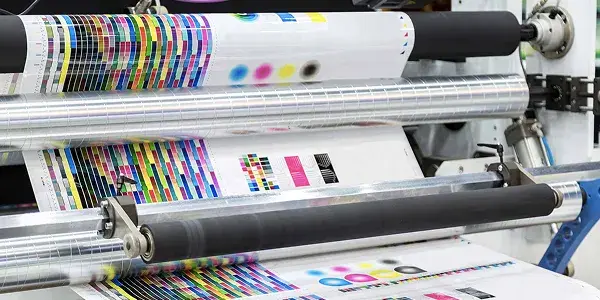
Print-on-demand allows authors to avoid upfront costs, eliminate storage issues, and print copies only when ordered.
Traditional printing offers higher quality, lower cost per unit, and better options for bookstore distribution.
In 2025, many authors use a hybrid approach: POD for regular sales and bulk printing for events, launches, and special editions.
Self-Publishing in 2025: Tools, Tips & Platforms
The best tools and platforms to successfully self-publish and scale your author brand.
Self-publishing now gives authors access to professional editing suites, AI-enhanced formatting tools, direct-to-retail distribution, and real-time sales analytics.
Platforms like Amazon KDP, IngramSpark, and Apple Books continue to dominate, but emerging services offer better royalties and wider reach.
Marketing automation tools help authors build funnels, email sequences, and multi-format launches—giving indie authors the power once only available to traditional houses.

How to Promote Your Book Before and After Launch
A successful launch relies on momentum—here’s how to build it.
Pre-launch marketing focuses on capturing early interest through lead magnets, ARC teams, and teaser content.
Post-launch success depends on consistent engagement, ads, podcast interviews, and collaborations with influencers.
In 2025, authors who diversify across social media, email, YouTube, and live events achieve the strongest long-term results.